
5.00
(1 Rating)

English Year 4

Categories: Bahasa Inggeris, Tahun 4
Wishlist Share
RM15.00

About Course

The Year 4 English curriculum aims to develop pupils’ ability to communicate confidently, accurately, and appropriately in both spoken and written English. Pupils are guided to use the language for daily communication, academic purposes, and to foster an appreciation of different cultures.

The syllabus emphasises:

  • Listening & Speaking → understanding and responding to spoken English in various contexts.

  • Reading → recognising words, understanding simple texts, and developing reading habits.

  • Writing → producing simple sentences, guided writing, and short paragraphs.

  • Language Arts → appreciating rhymes, poems, songs, and stories creatively.

  • Grammar & Vocabulary → strengthening usage in real-life situations.

Show More

Course Content

Unit 1: Where are you from?
Short Notes Countries & Nationalities Malaysia → Malaysian Japan → Japanese Thailand → Thai China → Chinese India → Indian Australia → Australian England → English Korea → Korean Useful Phrases Where are you from? → I’m from Malaysia. What nationality are you? → I’m Malaysian.

  • Objective Questions

Unit 2: My Week
Short Notes Days of the week: Monday, Tuesday, Wednesday, Thursday, Friday, Saturday, Sunday. Common daily activities: go to school, do homework, play football, watch TV, read books, help at home. Expressions of time: in the morning, in the afternoon, at night, on weekends. Frequency words: always, usually, sometimes, never. Talking about routine: “I go to school on Monday.” / “She plays badminton every Saturday.”

Unit 3: In the past
Notes (Short) Past Tense is used to talk about things that happened before (yesterday, last week, in 2020, etc.). Regular verbs → add -ed (play → played, cook → cooked). Irregular verbs → change form (go → went, eat → ate, buy → bought). Time expressions: yesterday, last night, last week, a year ago.

Unit 4: Celebrations
Short Notes Celebrations are special events that people enjoy together. Examples: Hari Raya, Chinese New Year, Deepavali, Christmas, Thaipusam. People celebrate with food, clothes, music, and decorations. We greet others politely during celebrations (e.g. "Happy Deepavali!", "Merry Christmas!"). Celebrations bring family, friends, and community together.

Unit 5: Eating Right
Notes (Short Summary) We must eat healthy food such as vegetables, fruits, fish, milk, and rice. Too much fast food, sweets, or fizzy drinks is not good for health. A balanced diet keeps us strong and active. Drink plenty of water every day. Avoid wasting food.

Unit 6: Getting around
Short Notes Transport Vocabulary: car, bus, train, bicycle, motorcycle, lorry, plane, taxi, ferry. Prepositions of place & direction: next to, opposite, between, in front of, behind. Asking for directions: "Excuse me, how can I get to …?" "Go straight ahead." / "Turn left." / "Turn right." Public transport: using bus, train, taxi, etc. Safety rules: wear a helmet, use a zebra crossing, wait for the green light.

Unit 7: Helping Out
Short Notes Helping out means giving your time and effort to support others. We can help at home (tidy room, wash dishes, feed pets). We can help at school (carry books, clean classroom, share with friends). We can help in the community (visit old folks, donate clothes, plant trees). Values: kindness, teamwork, responsibility, respect.

Unit 8: Amazing Animals
Quick Notes Animals live in different habitats: jungle, desert, sea, farm, etc. Animals have special features: wings, tails, fins, horns, claws. Some animals are wild (tiger, elephant), some are domestic (cat, cow). Animals move in different ways: run, jump, fly, swim, crawl. We must care for animals and protect them.

Unit 9: Get Active!
Short Notes Get active means to do physical activities such as sports and exercises. Examples of activities: running, swimming, cycling, playing football, dancing. Benefits: keep our body healthy, strong, and happy. We must eat well, drink water, and sleep enough to stay active. Safety: wear the right clothes and equipment when doing sports.

Unit 10: What’s the matter?
Short Notes Asking about health problems: What’s the matter? → I have a headache. What’s wrong? → I have a stomachache. Common illnesses: headache, toothache, stomachache, fever, cough, flu. Giving advice: You should see a doctor. You should rest. You should drink more water. Expressions: I don’t feel well. Take care!

SAMPLE ENGLISH EXAM QUESTIONS YEAR 4 | SET 1

SAMPLE ENGLISH EXAM QUESTIONS YEAR 4 | SET 2

SAMPLE ENGLISH EXAM QUESTIONS YEAR 4 | SET 3

Earn a certificate

Add this certificate to your resume to demonstrate your skills & increase your chances of getting noticed.
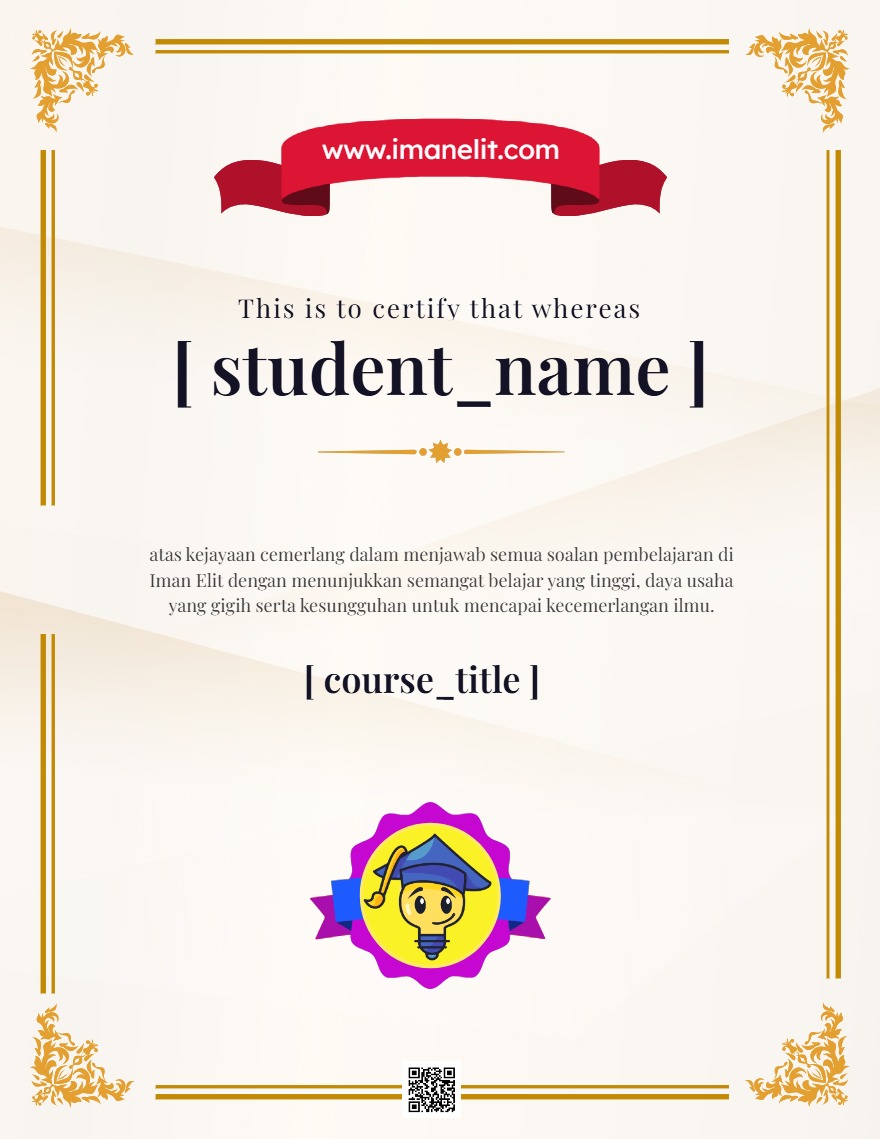
selected template

Student Ratings & Reviews

5.0
Total 1 Rating
5
1 Rating
4
0 Rating
3
0 Rating
2
0 Rating
1
0 Rating
amirul hadi
10 months ago
This is so fun, I love the picture 5 star bro of course

Want to receive push notifications for all major on-site activities?